The June Titans: Unveiling the Wealth and Wisdom of Billionaires Born in June
The June Titans: Unveiling the Wealth and Wisdom of Billionaires Born in June
Welcome to a deep dive into the lives, fortunes, and legacies of the world's most successful individuals who share a birth month: June. As we explore the fascinating intersections of wealth creation, entrepreneurial drive, and seasonal timing, it is impossible to ignore the immense concentration of financial power among those born in the sixth month of the year. From tech innovators pushing the boundaries of space exploration to industrial magnates building the physical infrastructure of our modern world, June billionaires are a formidable group.
To understand the full scope of their global impact, one must look beyond the sheer numbers. Their stories are a testament to strategic risk-taking, resilience in the face of economic downturns, and visionary leadership. For more extensive insights and comprehensive profiles of the global elite, visit World Billionaire Day, your premier destination for wealth analytics and billionaire biographies.
In this extensive guide, we will analyze the net worths, business empires, and unique leadership styles of the top billionaires born in June. We will also explore industry-specific nuances, from aerospace and electric vehicles to retail and steel manufacturing. Ultimately, we will highlight how these distinct titans have shaped their respective sectors over the past decades.
1. Elon Musk: The June 28 Visionary and World's First Trillionaire
Date of Birth: June 28, 1971
Estimated Net Worth: $1.27 trillion
Age: 54
No discussion of June billionaires is complete without Elon Musk, the entrepreneurial powerhouse behind Tesla, SpaceX, Neuralink, and The Boring Company. Born on June 28, 1971, in Pretoria, South Africa, Musk's journey from a young software developer to the wealthiest individual on the planet is a masterclass in disruptive innovation. His companies have fundamentally altered the trajectories of multiple legacy industries.
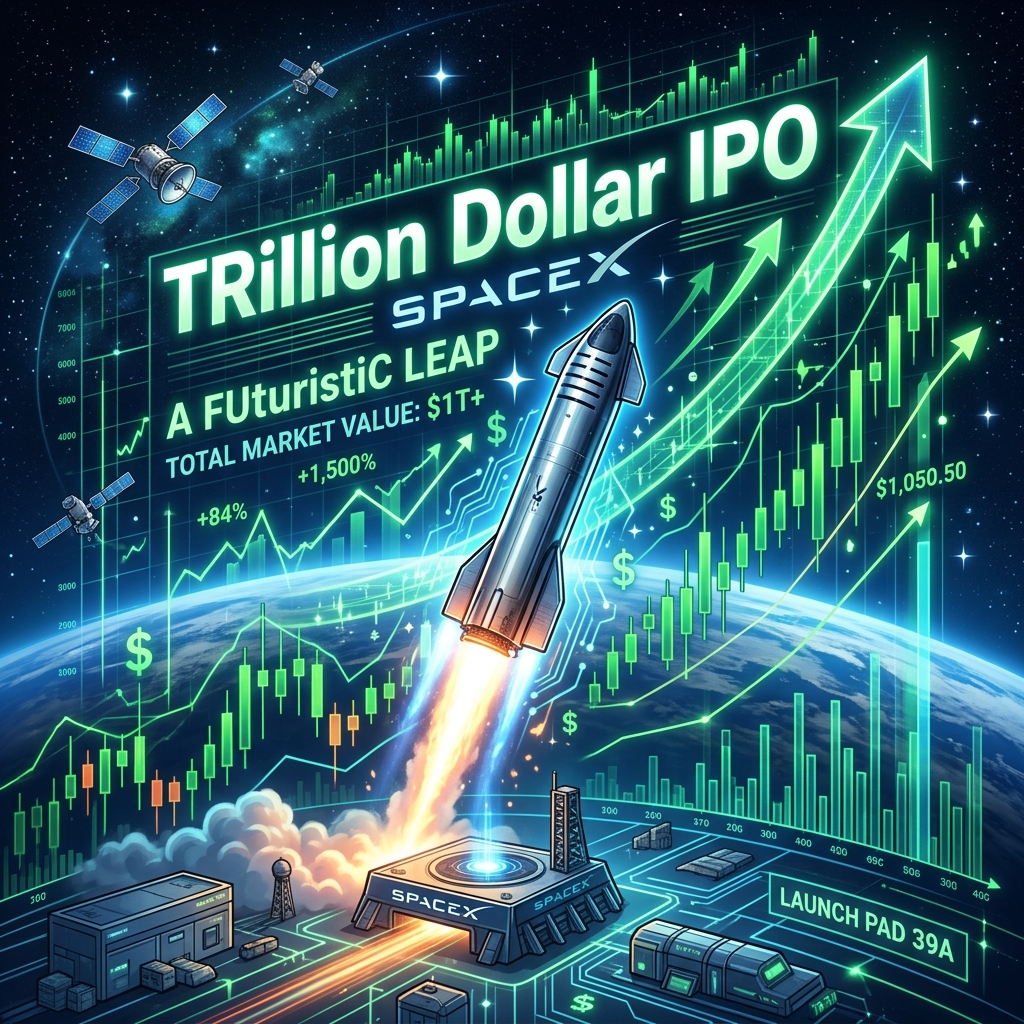
As of June 2026, Musk's net worth reached an unprecedented milestone, soaring to an estimated $1.27 trillion. This historic leap officially made him the world's first trillionaire. The surge was largely fueled by the highly anticipated and successful initial public offering (IPO) of SpaceX in mid-2026.
The aerospace manufacturer's public debut sent shockwaves through the financial markets. It drastically multiplied Musk's personal valuation and left a massive gap between him and the rest of the global billionaire cohort. His approach to wealth creation is deeply intertwined with his tolerance for extreme risk and his commitment to solving existential threats to humanity.
Tesla's dominance in the electric vehicle (EV) market forced the entire automotive industry to pivot toward sustainable energy. Meanwhile, SpaceX single-handedly revitalized the space economy by pioneering reusable rocket technology. His leadership style is often described as demanding, fast-paced, and relentlessly focused on engineering first principles.
By reinvesting the majority of his capital into companies that push the frontiers of physics and engineering, Musk has redefined what it means to be a modern industrialist. The sheer scale of his operations requires an intricate understanding of supply chain logistics, battery manufacturing, and orbital mechanics. His trajectory from the early days of Zip2 and PayPal to the trillion-dollar heights of 2026 underscores a fundamental lesson. The largest fortunes of the 21st century are being built by integrating advanced software with heavy hardware and infrastructure.
2. Gautam Adani: The June 24 Infrastructure Titan
Date of Birth: June 24, 1962
Estimated Net Worth: $89.2 billion
Age: 64
Born on June 24, 1962, in Ahmedabad, India, Gautam Adani has built one of the most formidable infrastructure and energy conglomerates in the world. As the founder and chairman of the Adani Group, his wealth is tightly bound to the physical development and economic expansion of the Indian subcontinent. He has strategically aligned his corporate growth with the developmental needs of a booming nation.
As of early June 2026, Adani's net worth is estimated at $89.2 billion. This valuation recently allowed him to reclaim the title of the richest person in Asia. His resurgence in financial standing follows a significant rally in Adani Group stocks, buoyed by the dismissal of previous regulatory and fraud allegations by international authorities.
The market recovery added nearly $10 billion to his fortune in a matter of weeks. This massive rebound demonstrates the resilience of his empire and the market's underlying confidence in his hard-asset portfolio. Adani's wealth generation strategy is fundamentally different from the tech-centric billionaires of Silicon Valley.
His empire is anchored in tangible, capital-intensive industries such as seaports, airports, power generation, and mining. By aligning his corporate objectives with India's national infrastructure goals, Adani has secured a deeply entrenched position within the world's fastest-growing major economy. The Adani Group is currently undergoing a massive strategic pivot toward renewable energy.
With billions committed to solar and wind projects, Adani is positioning his conglomerate to be a global leader in the green energy transition. This shift not only hedges against the long-term decline of fossil fuels but also aligns with global ESG (Environmental, Social, and Governance) mandates. Consequently, his companies are attracting a new wave of institutional investors looking for sustainable infrastructure plays.
3. Jim Walton: The June 7 Retail Heir and Banking Magnate
Date of Birth: June 7, 1948
Estimated Net Worth: $143 billion
Age: 78
James Carr Walton, born on June 7, 1948, represents the immense generational wealth created by the American retail juggernaut, Walmart. As the youngest son of Walmart founder Sam Walton, Jim inherited a significant stake in the company. However, his financial narrative extends far beyond mere inheritance and passive ownership.
In 2026, Forbes estimates Jim Walton's net worth at approximately $143 billion. This staggering figure consistently places him among the top 15 wealthiest individuals globally. The Walton family collectively controls nearly half of Walmart's outstanding shares, providing a constant stream of massive dividend payouts.
Despite this, Jim's specific financial footprint is heavily characterized by his active leadership in the regional banking sector. Beyond his duties on the Walmart board, Jim Walton is the chairman and CEO of Arvest Bank Group. Under his stewardship, Arvest has grown from a small local bank into a major regional financial institution with over $27 billion in assets.
The bank operates hundreds of branches across Arkansas, Oklahoma, Missouri, and Kansas. This diversification of wealth from global retail dominance into regional banking highlights a sophisticated approach to asset management. It provides a robust financial buffer against the cyclical downturns of the broader retail market.
The retail industry, particularly brick-and-mortar operations, has faced unprecedented challenges from e-commerce giants over the last decade. Yet, Walmart's omni-channel strategy, bolstered by robust supply chain logistics and digital infrastructure, has allowed the company to thrive. Jim Walton's wealth serves as a proxy for the enduring strength of the consumer staples sector and the unmatched scale of Walmart's distribution network.
4. David Thomson: The June 12 Media and Data Sovereign
Date of Birth: June 12, 1957
Estimated Net Worth: $6.5 billion (Individual) / $50+ billion (Family)
Age: 69
Born on June 12, 1957, David Thomson is a Canadian media magnate whose family controls the global information powerhouse, Thomson Reuters. While his individual net worth is frequently cited by Forbes in the $6.5 billion range as of June 2026, the reality of his influence is much larger. He serves as the patriarch and central figure managing a broader family fortune that exceeds $50 billion.
The Thomson family's wealth is managed through their highly secretive private holding company, Woodbridge. This entity holds a dominant majority stake in Thomson Reuters, a company that has strategically avoided the pitfalls of consumer media. Unlike consumer-facing media empires that rely on advertising revenue and fickle audience trends, Thomson Reuters has cornered the highly lucrative business-to-business (B2B) market.
They provide indispensable legal, regulatory, and financial data to corporations and governments worldwide. David Thomson’s leadership philosophy is notoriously private and highly conservative. In an era where media executives often court the spotlight, Thomson remains a reclusive figure.
Instead of public posturing, he focuses on the steady acquisition of high-value data analytics firms and proprietary information networks. The company's recent pivots into artificial intelligence and automated legal research have further entrenched their products into the daily workflows of global professionals. By controlling the exact data that the world's most powerful institutions need to operate, Thomson has built a highly defensive, wide-moat business.
5. Lakshmi Mittal: The June 15 Steel Titan
Date of Birth: June 15, 1950
Estimated Net Worth: $31.9 billion
Age: 76
Lakshmi Niwas Mittal, born on June 15, 1950, in Rajasthan, India, is the executive chairman of ArcelorMittal. His company stands as the world's second-largest steelmaking conglomerate. With a net worth hovering around $31.9 billion in mid-2026, Mittal's fortune is a direct reflection of the global commodities market and international industrial demand.
Mittal's spectacular rise to billionaire status was driven by an aggressive strategy of global consolidation. He recognized the fragmented and highly inefficient nature of the global steel industry in the late 20th century. Taking action, he pioneered the concept of integrated mini-mills and relentlessly acquired struggling state-owned steel plants across the globe.
His crowning achievement was the hostile takeover of Arcelor in 2006. This bold move created a monolithic entity that fundamentally reshaped the pricing and supply dynamics of steel worldwide. Today, Mittal faces the dual challenges of cyclical commodities pricing and the urgent global mandate to decarbonize heavy industry.
Steel production is currently one of the largest contributors to global carbon emissions. Recognizing this existential threat to his legacy, ArcelorMittal is investing billions into "green steel" technologies, including hydrogen-based direct reduced iron processes. Mittal’s enduring wealth proves that fortune favors the bold consolidators who can skillfully navigate complex geopolitical landscapes.
The "June Billionaire" Phenomenon: Astrological or Statistical?
While the analytical minds of finance professionals scoff at astrology, popular culture often points to the zodiac signs of Gemini and Cancer as potential explanations for this cohort's success. Geminis (May 21 – June 20) are traditionally associated with rapid communication, adaptability, and intellectual curiosity. Looking at billionaires like David Thomson and Jim Walton, one could argue their success hinges precisely on the efficient flow of information and adaptable logistical networks.
Cancer (June 21 – July 22), a water sign, is associated with intuition, tenacity, and a strong protective instinct regarding resources and family. Elon Musk and Gautam Adani, both born in the latter half of June, exhibit a relentless, tenacious drive to build protective moats around their massive empires. Whether that moat is orbital dominance via SpaceX or monopolistic control over Indian ports, the protective instinct is undeniable.
Statistically speaking, however, the clustering of billionaires in certain months is more likely an artifact of demographic distribution and educational cohort cut-offs. Academic studies on the "relative age effect" suggest that children born in summer months may experience different developmental trajectories in school systems. These early experiences can subtly influence risk-taking behaviors, leadership skills, and self-reliance later in life.
Strategic Advantages of Diversified Portfolios
One of the unifying themes among the most successful June billionaires is their refusal to remain entirely concentrated in a single, volatile asset class over the long term. Even if a single flagship company generated their initial fortune, they quickly move to insulate their wealth. While Elon Musk's wealth is famously concentrated in Tesla and SpaceX, his secondary ventures like xAI, Neuralink, and X provide strategic technological leverage.
Similarly, Jim Walton's pivot from purely retail-focused dividends into the aggressive expansion of Arvest Bank Group provides a crucial financial buffer. Gautam Adani’s calculated shift from coal and logistics into green hydrogen and renewable solar projects ensures his conglomerate remains highly relevant in a post-carbon economy. This level of strategic foresight—anticipating macroeconomic shifts before they destroy core business models—is precisely what separates transient billionaires from enduring titans of industry.
By actively managing their risk profiles and expanding into adjacent industries, these billionaires ensure their legacy outlasts temporary market downturns. They do not just ride economic waves; they actively construct the breakwaters that protect their empires from total collapse.
Frequently Asked Questions (FAQs)
Who is the richest billionaire born in June?
As of June 2026, Elon Musk is the wealthiest billionaire born in June. He possesses an unprecedented estimated net worth of $1.27 trillion following the historic SpaceX IPO.
What industries do June billionaires typically dominate?
There is no single dominant industry among this specific group. June billionaires span highly diverse sectors, including aerospace (Elon Musk), infrastructure (Gautam Adani), retail (Jim Walton), media (David Thomson), and heavy manufacturing (Lakshmi Mittal).
Are there common geographical origins among these billionaires?
June billionaires hail from across the globe, reflecting the truly international nature of modern wealth creation. The list includes highly influential individuals born in South Africa, India, the United States, and Canada.
How does inheriting wealth compare to self-made wealth among this group?
The group features a fascinating mix of both wealth origins. Musk, Adani, and Mittal are largely self-made, having built or massively expanded their empires from modest beginnings. Conversely, Walton and Thomson inherited wealth but actively expanded their family fortunes over decades.
How do these billionaires approach philanthropy?
The philanthropic efforts of June billionaires vary significantly in scope and visibility. The Adani Foundation invests heavily in rural development across India, while the Walton Family Foundation focuses on K-12 education reform. Musk argues his companies themselves are his greatest philanthropic contributions, though he has donated to AI safety and pediatric research.
Conclusion
The billionaires born in June represent a staggering accumulation of financial power and industrial influence. From Elon Musk's trillion-dollar aerospace achievements to Gautam Adani's infrastructure dominance and Lakshmi Mittal's steel empire, these individuals dictate the pace of global economic development. Their personal stories offer profound insights into the complex mechanics of wealth creation and the absolute necessity of strategic risk-taking.
Whether they built their fortunes from scratch or stewarded generational wealth into the modern era, the June billionaires stand as undisputed titans of their respective industries. As global markets evolve and radical new technologies emerge, these leaders continue to adapt and fiercely protect their formidable economic moats. Their enduring success provides a living blueprint for aspiring entrepreneurs worldwide.
For more in-depth analyses of the world's most affluent individuals and the strategies they use to maintain their empires, be sure to explore more billionaire profiles and wealth insights at World Billionaire Day. Stay tuned as we continue to track the dynamic shifts in global wealth and the fascinating lives of those who hold it.