Germany's World Cup Defensive Streak: A Lesson in Risk Management for Wealth Builders
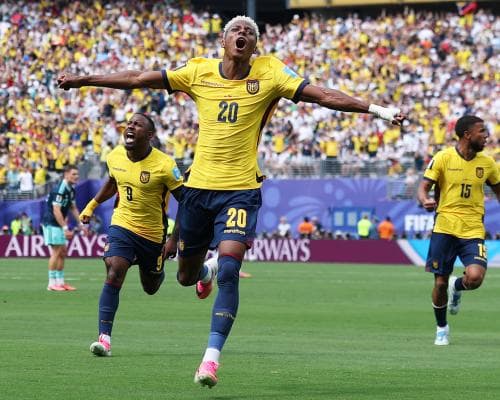
In the high-stakes arena of the World Cup, Germany's national team has stumbled into an unenviable record: conceding in nine consecutive finals matches, a streak not seen since 1934–1954. For the wealth desk, this is more than a football trivia point—it's a masterclass in the perils of complacency and the necessity of rigorous risk management. When a powerhouse like Germany, with its storied heritage of defensive discipline, allows a pattern of vulnerability to persist, it sends a clear signal to the capital markets: no asset, no matter how blue-chip, is immune to the law of mean reversion.
The scale of this defensive lapse is staggering. Germany, a four-time World Cup champion and a symbol of Teutonic efficiency, has now matched a 70-year-old record of porousness. In financial terms, this is akin to a AAA-rated sovereign bond suddenly yielding junk-level returns—a shock to the system that forces a re-evaluation of assumed safety. The streak spans multiple tournaments, managers, and player generations, suggesting a structural issue rather than a transient blip. For the wealthy, this is a cautionary tale about the dangers of over-reliance on legacy brands or historical performance metrics without ongoing due diligence.
Mechanically, Germany's defensive breakdowns are rooted in systemic flaws: a high-line press that leaves gaps, indecision in transition, and a failure to adapt to faster, more aggressive opponents. In the current match against Ecuador, players like Kimmich and Nmecha have been caught in possession, leading to cheap turnovers and goals—such as the 11th-minute strike that opened Ecuador's account. This mirrors a portfolio that is over-leveraged to momentum or lacks adequate hedges. The players involved—Pavlovic, Nmecha, Kimmich—are not journeymen; they are top-tier talents, yet the collective execution has faltered. The numbers tell the story: nine games of conceded goals, a run that erodes confidence and invites speculative attacks from rivals.
The rarity of this streak is its true capital angle. Germany's defensive record was once the gold standard—a fortress built on discipline and organization. Now, it's a cautionary exhibit for wealth builders: heritage alone does not protect against market shifts. The price of ignoring such signals can be steep, as seen in the erosion of Germany's tournament odds and the reputational damage to its brand. For investors, this is a reminder to scrutinize the 'defensive' assets in their portfolios—whether it's real estate in coastal markets, fixed-income instruments, or large-cap equities. A streak of underperformance, even from a storied institution, demands a tactical response.
What this signals for markets and the wealthy is clear: in an era of rapid disruption, the premium on adaptability has never been higher. The Germany team's failure to rectify its defensive woes reflects a broader market dynamic where incumbents—be they nations, corporations, or asset classes—must constantly innovate or face decay. For high-net-worth individuals, this reinforces the need for dynamic asset allocation, hedging strategies, and a willingness to exit positions that show structural weakness. The trend direction here is stable in the sense that the pattern is entrenched, but the implication is downward for those who cling to outdated assumptions.
Looking forward, Germany's path to redemption requires a fundamental overhaul—new defensive structures, personnel changes, and a reset of risk protocols. For the wealth builder, the lesson is timeless: protect capital by recognizing streaks, whether they are winning or losing, and act before the market prices in the inevitable correction. The game against Ecuador is still live, but the defensive record already stands as a benchmark for what happens when risk management fails. The smart money is watching, and it's already adjusting its positions.


