The Winter Garden: How Australia’s Cool-Season Bounty Became the Ultimate Status Signal
In the rarefied world of the ultra-wealthy, where every acquisition is a statement of discernment, the humble winter vegetable has quietly ascended to an unexpected throne. July in Australia, as Matt Palise of Red Rich Fruits notes, is “pretty much the month of green”—a verdant season that, for those who know where to look, offers a fleeting, seasonal exclusivity that no imported truffle or aged balsamic can replicate. This is not about thrift; it is about timing, provenance, and the quiet pleasure of possessing what the market has just deemed perfect. For the connoisseur of life’s finest details, the winter garden is the new private tasting room.
The players are a small, elite network of purveyors who curate the season’s best. Graham Gee, senior buyer at Melbourne’s Happy Apple, and Michael Hsu, operational manager at Sydney’s Panetta Mercato, are the gatekeepers of this underground harvest. They speak of wombok—the cabbage that Gee calls “probably the cheapest option in the cabbage family”—as if it were a rare vintage. Prices vary from $3 at Perth’s Spudshed to $7 at supermarkets, but the real value lies in its provenance: a warm winter in Victoria has produced a crop of exceptional tenderness. Brussels sprouts, too, are riding a wave of quality and supply, with Gee’s shop offering them at $6 a kilo against a supermarket $7.90. The numbers matter less than the story they tell: a season of abundance that rewards those who pay attention.
Craftsmanship here is not in the growing alone, but in the transformation. Wombok, when bountiful, becomes the canvas for Chef Jung Eun Chae’s kimchi—a two-week fermentation that yields a preserve of indefinite longevity. For those who prefer immediacy, Ben Delvin’s wombok salad with a ginger-spiked cashew dressing offers a crisp, contemporary elegance. Brussels sprouts are elevated by Alice Zaslavsky into a buttery colcannon she describes as a “croquette without its coat,” while Matt Preston caramelises them with fish sauce and lap cheong, creating a “sticky party” that defies the vegetable’s divisive reputation. These are not recipes; they are rituals of taste, accessible only to those who value the time and skill required to execute them.
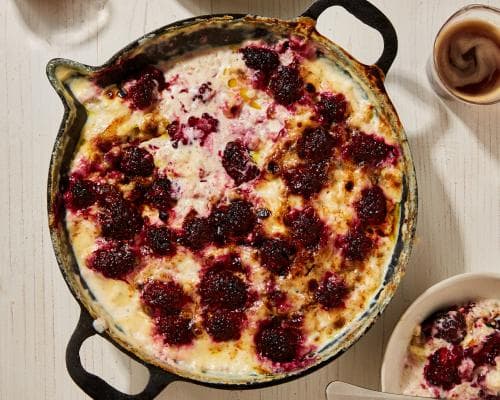
Blackberries, meanwhile, are the season’s dark jewel. With strawberries and raspberries caught between seasons, blackberries reign supreme—$4 at supermarkets, $6 at the specialist grocers. They crown Yotam Ottolenghi’s cinnamon and lemon rice pudding or appear in Benjamina Ebuehi’s crumble bars, which double as breakfast and indulgence. Pink lady apples, fresh off the tree at $7.30 a kilo, offer a crisp, just-picked perfection that no import can match. The dekopon—a citrus hybrid also called sumo mandarin—is the insider’s tip: seedless, sweet, and easy to peel, arriving late in the month as a final, fleeting gift. Papayas from Queensland, nearly half their usual price at $3 each, are a tropical twist that signals the owner’s reach across climates.
What does this say about wealth and taste? In a market obsessed with the rare and the imported, the truly sophisticated know that the ultimate luxury is seasonality itself. To serve a dish built around a wombok that was picked at its peak, or a blackberry that was never frozen, is to signal a relationship with the land that money alone cannot buy. It is a quiet rebellion against the tyranny of the global, a return to the local as the most exclusive currency. The ultra-wealthy are increasingly seeking not just the best, but the most ephemeral—and winter produce, with its brief window and nuanced flavors, is the new trophy.
Looking forward, the trend is clear: the luxury market will continue to pivot toward hyper-seasonal, provenance-driven ingredients. The warm winter in Victoria is a reminder that climate itself is becoming a factor in exclusivity. Those who can afford to wait—and to pay for the knowledge of when to buy—will own the season. The rest will follow, but never quite catch up. For now, the winter garden is the quietest, most refined statement of status: a table that knows exactly what July tastes like.
The Experience
To experience this season’s finest, arrange a private consultation with a purveyor like Panetta Mercato or The Happy Apple, who can source the peak wombok, blackberries, and dekopon for your chef’s table.