The Bouchon Renaissance: Lyon’s Secret Tables Where the Ultra-Wealthy Rediscover Authenticity
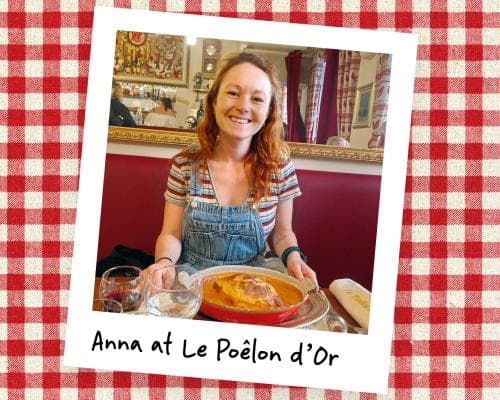
For the global elite, the ultimate luxury is no longer a private island or a hypercar. It is the unscripted, uncurated moment of authenticity—a meal that cannot be reserved through a concierge, a table that has never appeared on a Michelin list, a dish that demands a palate forged by experience. This is the quiet allure of Lyon’s bouchons, those fiercely traditional restaurants where red gingham tablecloths and chalkboard menus are not affectations but heirlooms. For those who have dined at every three-star temple from Paris to Tokyo, the bouchon offers something rarer: a taste of place, of history, of a France that refuses to be polished into irrelevance.
The bouchon’s story begins not in the tourist-choked lanes of Vieux Lyon, but in the working-class gateways of Vaise, Croix-Rousse, and La Guillotière. In the Renaissance, these were the stopping points for merchants and travelers seeking shelter and sustenance. The name itself—derived from the wisp of straw hung outside an inn to signal hospitality—speaks to a vernacular code of welcome. By the 19th century, these kitchens were run by the Mères Lyonnaises, formidable women who fed silk workers and weavers with staggering quantities of offal: andouillette, rognon de veau, cervelle de canut. In 1933, the Michelin guide discovered one such mother, Eugénie Brazier, and awarded her six stars—three for each of her restaurants. For 65 years, she was the most decorated chef in history. That legacy, however, has been diluted by souvenir shops and overpriced beef muscle served to Erasmus students who mistake a chalkboard for a guarantee of quality.
Today, the discerning traveler knows that the real bouchon is a hidden gem, not a listed landmark. Le Poêlon d’Or is a case in point: a restaurant that wins awards for its quenelles—egg, flour, and butter dumplings stuffed with pike, bathed in crayfish sauce. The decor is frilly, the curtains patterned with chickens, the bar lamps ornate. But the clientele is local, not tourist. The table is already set with rosette salami and cervelle de canut—a soft cheese infused with shallots, garlic, and herbs. This is not a meal; it is a ritual. The quantity of meat, especially offal, can shock even the most devout carnivore. The wine flows freely—Beaujolais and Rhône Valley vintages served in pots de vin, the humble ceramic mugs that have become a symbol of unpretentious abundance.
For the ultra-wealthy, the bouchon signals a shift in taste: away from the theatrical and toward the elemental. In a world where private chefs can replicate any cuisine, the bouchon offers what cannot be ordered—a sense of place so rooted that it feels ancestral. The red gingham is not a design choice; it is a lineage. The chalkboard menu is not rustic branding; it is a daily negotiation with what the market and season provide. To sit at a shared table, to eat rognon de veau at breakfast, to drink wine before noon—these are acts of defiance against the homogenized luxury that dominates so much of the high-end dining scene. The bouchon is a status signal for those who know that true wealth is not about excess, but about access to the authentic.
Looking ahead, the bouchon is poised for a quiet renaissance among connoisseurs. As the world’s wealthiest travelers grow weary of the predictable—another Nobu, another Carbone—they are seeking the kind of dining that cannot be franchised or Instagrammed without context. Lyon’s bouchons, with their frumpy curtains and unapologetic offal, are the ultimate insider’s trophy. They are not for everyone, and that is precisely the point. For the few who know where to find them—and how to order—they offer a taste of a France that has not yet been curated into submission. The bouchon is not a trend; it is a tradition that has outlasted every trend. And for those who can afford to chase the extraordinary, it remains the most elusive and rewarding table in the world.
The Experience
To secure a seat at the most revered bouchons, engage a private culinary concierge who maintains relationships with Lyon’s Mères Lyonnaises descendants. Alternatively, book a bespoke gastronomic tour of the Croix-Rousse district, where reservation access is granted only through personal introduction.


