The Billionaire’s New Frontier: Rediscovering the Sensory Riches of the Analog World
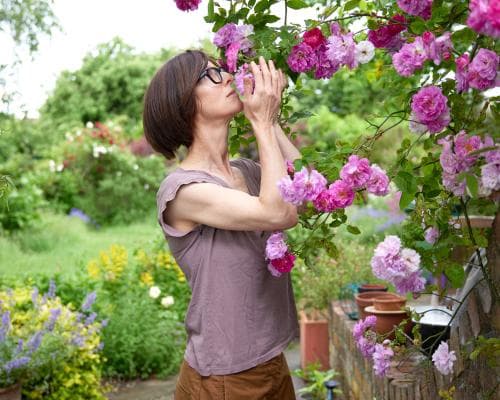
For those accustomed to commanding private fleets, bespoke ateliers, and concierge services that anticipate every whim, the last frontier of luxury is not a new island or a limited-edition hypercar. It is the rediscovery of friction. In an age where AI anticipates our desires before we form them, where every surface is smoothed by automation, the ultra-wealthy are beginning to crave what cannot be optimized: the raw, unscripted pleasure of the physical world. This is not a retreat into minimalism; it is an acquisition of a different kind of richness—one measured in sensation, not net worth.
Consider the quiet revolution brewing in the kitchens of the world’s most discerning tastemakers. They are not sipping from crystal goblets but from paper coffee cups with cardboard sleeves embossed with ridges, finding a “surprisingly gratifying tactile delight” in the everyday. This phenomenon, explored in depth by interdisciplinary scholar and video game designer Ian Bogost in his work on sensory enchantment, strikes at the heart of what it means to be truly wealthy today. The numbers are telling: a manual coffee grinder from a heritage workshop can cost as much as a mid-range watch, yet the ritual of grinding, weighing, and tamping beans is now a status signal more potent than a yacht. It signals a rejection of frictionless mediocrity in favor of intentional, bodyful engagement.
The craftsmanship of these small moments is not found in a factory but in the body’s own ability to register texture, weight, and temperature. Bogost identifies the idiosyncratic pleasures of plastic drinking fountain tumblers, the satisfying clonk of a steel-crank-roll paper towel dispenser, and the universally resonant act of peeling protective film from a new object—be it a wooden knife block or a microwave door. These are not mass-market commodities; they are rare, fleeting experiences that money cannot buy, only curate. For the billionaires who have everything, the ability to pause and savor the “right” mug, the “right” spoon, and the narrow band of acceptable temperatures becomes the ultimate luxury—a bespoke sensory palette that no algorithm can replicate.
This shift signals a profound evolution in the luxury market. The ultra-wealthy are no longer content with passive consumption; they demand active, tactile participation. The man who manually prepares his morning coffee—grinding, weighing, primping the ground beans with a prong—is not just making a beverage; he is signaling a mastery over his environment. He is reclaiming a corporeal intimacy that the digital age has eroded. This is the new currency of status: not how much you own, but how deeply you can feel. The friction of a bike lock releasing with a weighty clonk, the warm silk of a cat’s back, the blast of water in a morning shower—these are the assets that appreciate in a world of sensory deprivation.
Looking forward, the most exclusive real estate will not be a penthouse or a private island, but the space between the mind and the body. As Bogost notes, this is not mindfulness—it is its opposite: getting out of your head and into the world. For the billionaire who has mastered every market, the next great investment is in the art of being present. The challenge is not acquiring more, but learning to feel more. And for those who succeed, the reward is not a larger portfolio, but a richer life—one measured in the quiet, irreplaceable thrill of a perfectly aligned number on a bike lock, or the first sip of tea in a cup that feels exactly right.
The Experience
To curate your own sensory reawakening, commission a bespoke manual coffee ritual from a heritage atelier in Kyoto, or book a private consultation with a sensory design expert who will tailor a week of tactile encounters to your personal history.

