Nigel Farage’s £685,500 Gold Gig: The Real Story Behind the Bullion Pitch
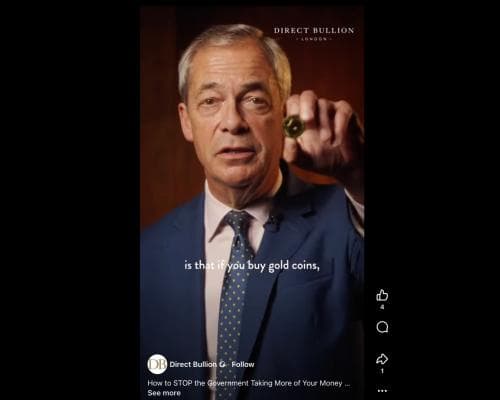
Nigel Farage earned £270,000 for 12 hours of work. That’s £22,500 an hour. For a gold dealer you’ve probably never heard of.
The MP for Clacton and leader of Reform UK has become the face of Direct Bullion, a London-based precious metals seller. His latest disclosure puts his total haul from the company at £685,500. That’s more than the average British worker earns in 20 years. For reading a script. Maybe two.
Let’s be clear: Farage is not a gold analyst. He’s a political brand. And Direct Bullion is buying that brand to sell you gold coins and bars. The company is tiny — net assets of just £2.6 million, according to its latest filings. That’s barely four times what they’ve paid Farage. Revenue hit £17 million in 2022, enough to land it at number 506 on the Financial Times’ list of Europe’s fastest-growing companies. But this isn’t a giant like Barrick Gold or BlackRock. This is a boutique operation in Mayfair, selling physical metal to people who worry.
The deal itself is simple. Farage appears in promotional content, lending his voice and face to the pitch. Gold is marketed as a store of value in uncertain times. Inflation hedge. Pension diversifier. All the usual lines. But the twist is the messenger. Farage isn’t a banker or a commodities trader. He’s a populist politician who built a career on distrust of elites, institutions, and the status quo. That’s exactly the audience that buys gold when they’re spooked.
And the numbers suggest the strategy works. Direct Bullion’s revenue growth is real. The company has carved out a niche in a crowded market, competing with heavyweight dealers like BullionVault and the Royal Mint. Farage’s fee — £685,500 — is a marketing cost, not a reflection of his expertise. It’s a bet that his credibility with a certain crowd translates into sales.
For the wealthy, this is a case study in how fear sells. Gold prices have been on a tear, hitting all-time highs above $2,400 an ounce in 2024. Central banks are buying. Retail investors are piling in. But the market is also fragmenting. Small dealers are using influencers to grab share. Farage is just the most visible example. There are crypto bros pitching silver. Podcasters hawking numismatic coins. It’s a gold rush for attention, not just metal.
The bigger question: what does it signal? When a political figure like Farage becomes the face of a bullion dealer, it tells you that gold’s traditional safe-haven narrative is being repackaged as a populist weapon. It’s no longer just about hedging against inflation or currency debasement. It’s about sticking it to the system. That’s a powerful marketing angle — and a risky one for investors who confuse political theater with sound allocation.
Farage’s own finances are a sideshow here. He’s already pocketed £5 million from crypto billionaire Christopher Harborne before becoming an MP. The gold gig is pocket change by comparison. But for Direct Bullion, it’s a smart spend. They’re buying access to a tribe. The question is whether that tribe will hold the gold when the next panic hits — or sell it back to the same dealer at a discount.
For now, the deal is a reminder that in the world of wealth, the smartest capital often follows the loudest voice. And right now, that voice belongs to a man who charges £22,500 an hour to tell you gold is safe. Whether that’s a signal to buy or to run depends on your tolerance for irony.