The New Aristocracy of Sound: How Britain’s Festival Season Became the Ultimate Status Signal
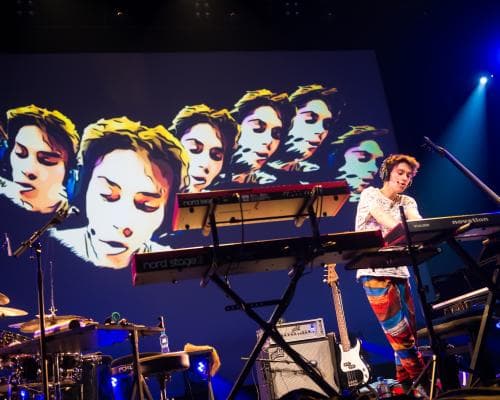
In the rarefied air of the ultra-wealthy, exclusivity is the only currency that never depreciates. Yet this summer, a curious inversion is taking place: the most coveted ticket in Britain is not for a private box at Wimbledon or a gala at the Royal Opera House, but for a field in Peckham Rye Park, where dry ice drifts through ancient oaks and a grime MC named Novelist spits a love letter to a south London bus route. This is Gala, a festival that, at first glance, seems a world away from the velvet ropes of Mayfair. But for those who understand the new grammar of status, it is precisely this kind of hyperlocal, culturally literate experience that signals true discernment. The festival season, once the domain of crusties and ravers, has been reborn as a curated playground for the global elite—a place where heritage, rarity, and raw cultural power converge.
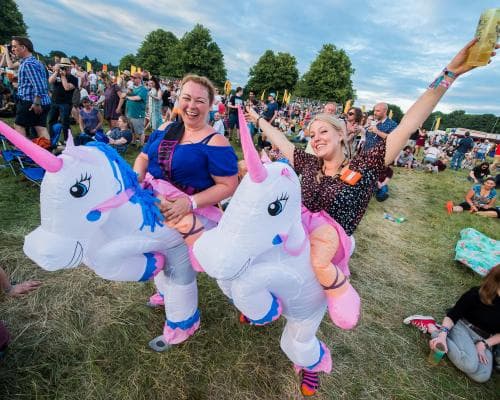
The numbers are staggering. Over the same weekend that Gala launched its season, Fatboy Slim headlined the Radio 1 Big Weekend in Sunderland, while Black Water County kicked off the Cursus cider and music festival in Dorset, and a constellation of smaller events—Elderflower Fields, Devauden, Slam Dunk, Dot to Dot, Sidmouth, Chippenham—ignited across the country. In two decades, Britain’s festival industry has swelled into a multi-billion-pound economic force, a bona fide national phenomenon that now rivals the Premier League in cultural clout. Glastonbury, which would have taken place this weekend but for a fallow year, is no longer a subcultural gathering; it is a national treasure, a fixture in the calendar alongside Wimbledon and the State Opening of Parliament. Royalty now mingles with ravers. The festival has become a cornerstone of British identity, a rite of passage for teenagers, a legitimate family holiday, and a tourism juggernaut. For the ultra-wealthy, it is also a signal: to attend the right festival—the one that is still under the radar, still authentic, still unspoiled—is to demonstrate a taste that money alone cannot buy.
But what makes a festival worthy of a private jet? The answer lies in craftsmanship, rarity, and heritage. Gala, for instance, is not a corporate behemoth; it is a carefully curated experience that draws its power from place. The MC’s ode to the 484 bus is not a gimmick; it is a piece of living history, a sonic map of a specific London neighborhood. The DJ’s drop of Skream’s “Midnight Request Line”—dubstep’s greatest anthem—is a nod to the genre’s south London roots. This is not mass-market entertainment; it is a bespoke cultural artifact. The same ethos applies to the smaller festivals that dot the British countryside: Cursus in Dorset, with its cider and folk traditions; Sidmouth, with its jazz and blues heritage; Chippenham, with its deep folk roots. These events are not cheap. VIP packages, private camping enclaves, and curated dining experiences can run into the tens of thousands. For the discerning collector of experiences, the price is not a barrier; it is a guarantee of authenticity. The festival that costs more to attend, that limits its capacity, that refuses to sell out to a global sponsor—that is the festival that confers status.
Yet the expansion of the festival economy has not been without its growing pains. The industry is now a precarious bubble, with dire warnings of over-saturation. Critics point to overwhelmingly male lineups, corporate owners with investments in occupied territories, and a persistent sense that music fans are being fleeced. Councils and residents’ groups have fought bitterly over the part-privatisation of urban parks. At the fat end of the wedge, AEG, a £10 billion entertainment behemoth, has announced plans to cordon off a third of London’s Victoria Park for 75 days every summer—effectively privatising a space that was opened in 1845 as “the people’s park.” For the ultra-wealthy, this is not a problem; it is an opportunity. The tension between public access and private curation only heightens the allure. The festival that is hardest to get into, that requires a personal invitation or a six-figure sponsorship, becomes the ultimate status symbol. The arch-sceptic view—that our deep-rooted human desires to dance, sing, get lost, and escape have been sold back to us by profiteers—is precisely the point. In a world where everything is commodified, the rarest commodity is the unmediated experience. And for those who can afford it, the festival is the new frontier.
Looking forward, the festival landscape will only become more stratified. The mega-festivals will continue to grow, but the true prize will be the micro-festival: the one that is invitation-only, that takes place on a private estate, that features a single, unrepeatable performance by a legendary artist. The ultra-wealthy will increasingly seek out festivals that offer not just music, but a narrative—a story of place, heritage, and cultural cachet. The festival that can tell a story about a bus route, a cider tradition, or a lost jazz era will be the one that commands the highest premium. For those who understand the new rules of luxury, the festival is not a holiday; it is an investment in cultural capital. And in a world where the only thing scarcer than a good time is a good story, Britain’s festival season is the ultimate asset.
The Experience
To secure a private curator’s pass to the season’s most exclusive micro-festivals—from Dorset’s cider estates to London’s hidden park enclaves—contact our concierge desk for a bespoke itinerary tailored to your cultural portfolio.