The 1066 Country Walk: A Private Pilgrimage Through England’s Most Storied Landscape
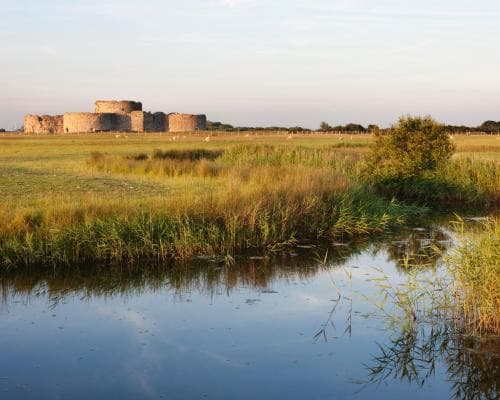
For those who have conquered boardrooms, sailed the Mediterranean, and collected every limited-edition timepiece, the next frontier is not a new asset class—it is time itself. The ability to step out of the relentless present and into a landscape that has remained largely unchanged for a millennium is the rarest luxury of all. This is precisely what awaits the discerning traveler on the 1066 Country Walk, a 31-mile traverse of East Sussex that begins at the marshland of Pevensey and ends at the medieval citadel of Rye. It is not a hike for the masses; it is a private pilgrimage through a living museum, where every hoof-print in the mud whispers of an army that passed 959 years ago.
The walk traces the path of William the Conqueror’s forces in the weeks before the Battle of Hastings—a conflict that reshaped the English crown and, by extension, the Western world. The numbers are sobering: an estimated 2,000 Normans, 4,000 Anglo-Saxons, and 700 horses fell on a single October day in 1066. Yet today, the Pevensey Levels—first drained in 772 AD—are a pastoral idyll, grazed by sheep and cattle, home to water spiders that live in air-filled webs. The ground is pocked with impressions of horseshoes, as if the cavalry had passed only yesterday. The walk is divided into four stages: Pevensey to Herstmonceux (6 miles), Herstmonceux to Battle (11 miles), Battle to Icklesham (9 miles), and Icklesham to Rye (5 miles). Each leg offers a different texture of history, from the green secrecy of Wartling Wood to the windswept horizons of open fields.
What elevates this journey beyond a mere ramble is its craftsmanship of atmosphere. The landscape is a masterwork of natural curation: russet, sage, and ochre hues that mirror the Bayeux Tapestry—a 70-meter embroidered narrative of the Norman conquest. The route is designed to evoke a slippage of time. One moment you are on a contemporary street, passed by speeding cars; the next, you slip through a hedge into a holloway guarded by ancient beeches, plunging into a world where the only sounds are wind in the rushes and blackbirds feasting on blood-red hawthorn berries. The walk is punctuated by moments of exclusivity: morning tea at the Ash Tree Inn in the hamlet of Brownbread Street, or a three-night stay in a converted outbuilding in Battle—a town that sits on the probable site of the battle itself. There is no branded resort, no concierge desk; only the quiet luxury of owning your own schedule.
This walk signals a shift in the definition of wealth. The ultra-wealthy have long sought rare experiences—private jet charters to remote islands, bespoke safaris, limited-edition art. But the 1066 Country Walk represents something more profound: a return to heritage as the ultimate status marker. To walk this land is to understand that true rarity is not a numbered edition but a landscape that has resisted development for over a thousand years. It is a statement that you value depth over display, that you can afford to spend four days moving at the pace of a medieval army, and that your taste is refined enough to find luxury in the contradictions of war-making in a gentle place—where gentle light, birdsong, and river currents coexist with the memory of a brutal killing field.
Looking forward, this walk is a harbinger of a luxury market increasingly oriented toward experiential exclusivity. As the world becomes more digitized and crowded, the value of a private, unmediated encounter with history will only rise. For those who can command their own time, the 1066 Country Walk is not merely a holiday; it is a portfolio addition—an asset of memory and perspective that no market can devalue. The windswept horizons and ancient holloways await, and they will not be booked on Expedia. They are reserved for those who understand that the rarest luxury is a walk through time, alone with the ghosts of kings.
The Experience
To arrange a private guided journey on the 1066 Country Walk, contact our heritage travel concierge for bespoke itineraries including exclusive accommodation in Battle and curated stops at historic inns.